⏱ 8 min read
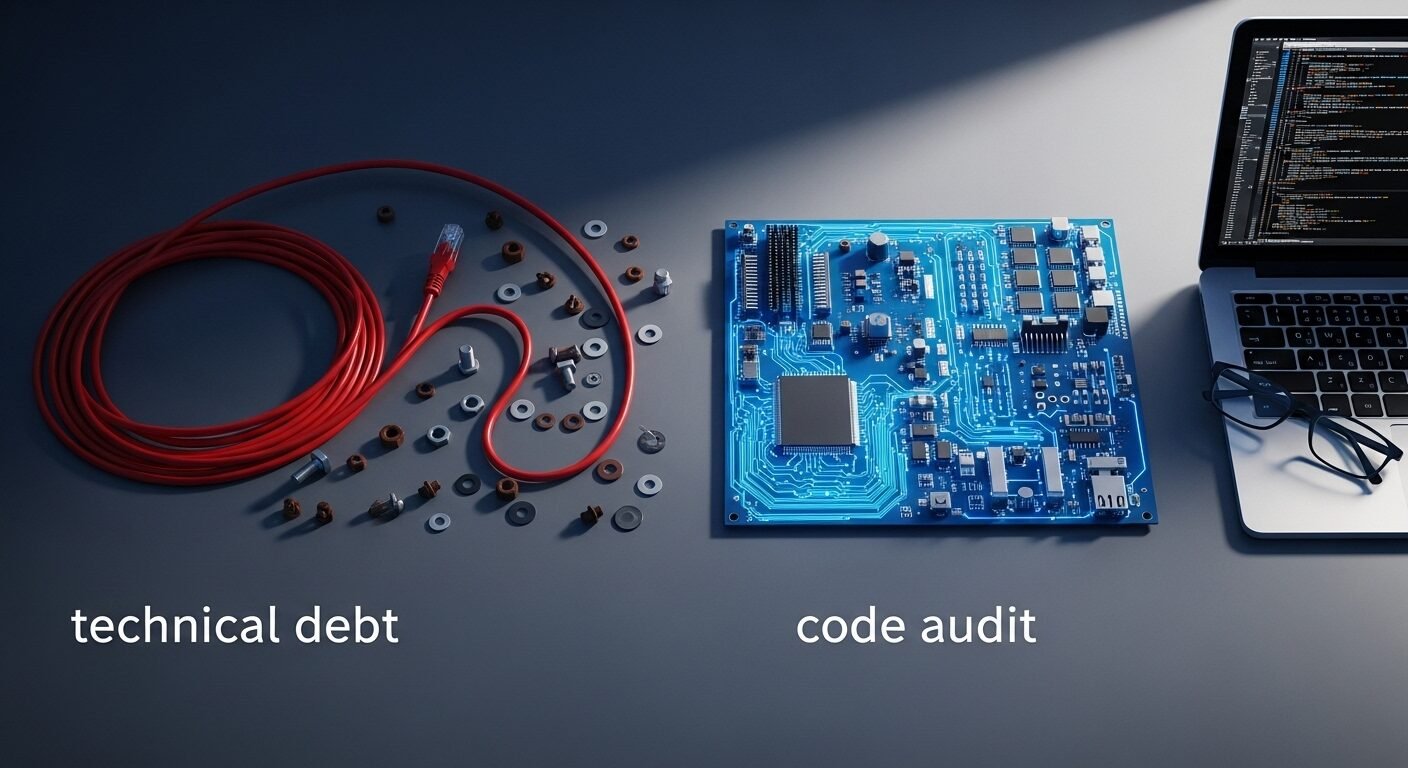
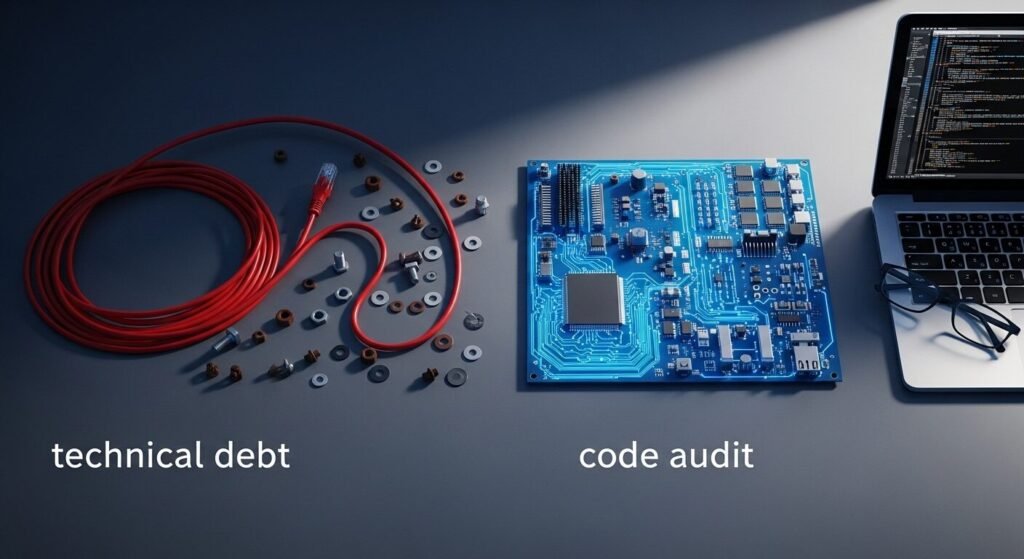
Technical debt is an inevitable part of software development, representing the future cost of rework caused by choosing expedient solutions now over better long-term approaches. Managing this liability is critical for project health, and a systematic code audit technical debt analysis provides the visibility and actionable plan needed to control it. Online audit platforms offer a scalable, objective method to assess codebases, quantify risks, and prioritize remediation efforts before debt cripples development velocity and software reliability.
Key Takeaways
- Technical debt is the implied cost of additional rework caused by suboptimal code.
- Unmanaged debt slows development, increases bugs, and raises maintenance costs.
- A code audit is a systematic review to identify and quantify technical debt.
- Online audit tools provide consistent, scalable analysis compared to manual reviews.
- Regular audits create a roadmap for refactoring and prevent debt accumulation.
- Proactive debt management protects software value and team productivity.
What is Technical Debt in Software Development?
Technical debt is a metaphor coined by Ward Cunningham describing the implied cost of future rework caused by choosing an easy, limited, or quick solution now instead of using a better approach that would take longer. Like financial debt, it accumulates interest in the form of extra effort required for future development and maintenance.
Technical debt arises from various sources, including tight deadlines, lack of knowledge, or evolving requirements. According to industry data, many development teams spend over 30% of their time dealing with the consequences of existing technical debt. This manifests as code complexity, poor test coverage, outdated libraries, and architectural shortcuts.
Unmanaged technical debt is a primary cause of slowing development velocity and increasing bug rates. It creates a hidden tax on every new feature, making systems brittle and hard to change. Experts recommend treating debt as a measurable risk factor, not just an abstract concept. A systematic assessment through a software quality audit is the first step toward control.
How Does a Code Audit Uncover Technical Debt?
A code audit provides a structured examination of a codebase to identify and quantify technical debt. It answers the critical question of where and how much debt exists. The audit analyzes code quality, architecture, security, and maintainability against established benchmarks.
The process evaluates multiple dimensions. Code complexity metrics like cyclomatic complexity highlight areas that are difficult to understand and test. Duplication analysis finds copied code that increases maintenance burden. Dependency checks identify outdated or vulnerable libraries. Coverage reports show untested code that poses a stability risk.
Research shows that consistent measurement is key to debt management. An audit transforms vague concerns into specific, prioritized issues. It provides objective data to justify refactoring efforts to stakeholders. The standard approach is to categorize findings by severity and estimated remediation effort, creating a clear action plan.
The Step-by-Step Process of an Online Code Audit
How to Conduct a Technical Debt Audit Online
- Initiate and Configure: Upload your codebase or connect your repository to a platform like Code Audit Online. Define the scope, target branches, and analysis rulesets based on your tech stack and priorities.
- Automated Analysis: The system runs static analysis, calculates complexity metrics, checks for security vulnerabilities, scans for code smells, and identifies dependency issues. This creates a baseline dataset.
- Report Generation: The platform compiles findings into a detailed report. This includes a debt summary, hotspot visualizations, severity rankings, and estimated remediation time for each issue category.
- Review and Prioritization: Development leads review the automated findings. They contextualize the results, separating critical problems from minor style issues, and create a prioritized backlog of refactoring tasks.
- Action Plan Creation: Based on the prioritized backlog, the team develops a sprint-by-sprint plan to pay down the most costly debt. This plan balances new feature work with necessary maintenance.
This structured process ensures no critical area is overlooked. Automated tools provide consistency and scale, while human review adds necessary context. The final output is not just a list of problems, but a strategic roadmap for improvement.
Online vs. Manual Audits: A Comparison
| Feature | Online Code Audit | Manual Code Review |
|---|---|---|
| Consistency | High. Applies the same rules uniformly across the entire codebase. | Variable. Depends on reviewer expertise and focus, leading to potential gaps. |
| Speed & Scale | Fast. Analyzes millions of lines of code in minutes or hours. | Slow. Limited by human speed; impractical for very large codebases. |
| Cost | Generally lower, with predictable subscription or per-audit pricing. | Higher, due to significant senior developer time and opportunity cost. |
| Focus | Broad. Systematically checks for patterns, metrics, and known anti-patterns. | Deep. Can understand business logic context and nuanced design decisions. |
| Objective Benchmarking | Excellent. Provides numerical scores and trends over time for comparison. | Subjective. Relies on qualitative opinions that are hard to compare across reviews. |
The optimal approach often combines both. Use online tools for comprehensive, repeatable scanning and manual review for deep dives into complex architectural decisions. This hybrid model leverages the strengths of each method.
Building a Sustainable Debt Management Strategy
A sustainable strategy treats technical debt as an ongoing operational concern, not a one-time cleanup. It requires integrating audit findings into the regular development workflow. The goal is to prevent new debt while systematically paying down the old.
Integrating automated quality gates into the CI/CD pipeline is a proven method to prevent debt accumulation. These gates can block merges that introduce high-complexity code, security flaws, or significant duplication. Experts in the field recommend dedicating a fixed percentage of each sprint, typically 10-20%, to refactoring and debt reduction tasks identified by audits.
Regular, lightweight audits create a feedback loop. Teams can track their debt quotient over time, celebrating reductions and catching regressions early. This cultural shift, supported by data from tools, transforms debt management from a reactive crisis into a proactive discipline. It protects the long-term value of the software asset.
Frequently Asked Questions
What are the main types of technical debt?
Technical debt is commonly categorized into four types. Intentional debt is a conscious trade-off for speed. Unintentional debt stems from a lack of knowledge or skill. Outdated design debt occurs when requirements evolve. Bit rot debt accumulates from library and platform drift. Each type requires a different management approach.
How often should you perform a code audit for technical debt?
For most active projects, a lightweight audit should be part of every major release cycle, typically quarterly. A comprehensive, in-depth audit is recommended annually or when preparing for a major architectural shift. Continuous monitoring via integrated tools provides the best ongoing visibility.
Can technical debt ever be good?
Yes, when used strategically. Taking on short-term, intentional debt can be valid to hit a critical deadline or validate a market hypothesis. The key is to document it, estimate the repayment cost, and schedule the cleanup immediately in the following development cycle. Unplanned and unmanaged debt is rarely beneficial.
What metrics are used to measure technical debt?
Common metrics include code complexity (cyclomatic complexity), code duplication percentage, test coverage percentage, outdated dependency count, and defect density. 1. A composite “debt index” or “maintainability index” often combines these into a single score for tracking trends over time.
Who is responsible for managing technical debt?
Ultimately, the entire product team shares responsibility. Engineering leads identify and quantify it. Product managers prioritize its repayment against new features. Executives must allocate resources for maintenance. A clear, shared understanding of debt’s business impact aligns these groups. Regular audits provide the common data needed for this alignment.
Understanding and managing technical debt is not an optional engineering luxury; it is a core business imperative for any organization that relies on software. Unchecked debt leads to slower innovation, higher costs, and increased operational risk. A systematic code audit technical debt assessment provides the objective foundation needed to make informed decisions, allocate resources effectively, and maintain a healthy, sustainable development pace. By making audits a regular practice, teams can transform a hidden liability into a managed portfolio.
Ready to gain control over your technical debt? Start with a clear assessment. Explore how an automated online code audit can provide the insights you need to build a actionable repayment plan and prevent future accumulation. Take the first step toward a more maintainable and agile codebase today.
1 thought on “Understanding Technical Debt and How Online Audits Help Manage It”